
Core cutting saws are essential tools in the construction and renovation industry, providing precise and efficient methods for creating openings in concrete, masonry, and other hard materials. These saws are designed to cut clean, circular holes of varying sizes, making them indispensable for tasks such as installing pipes, electrical conduits, and ventilation systems.
In this post, we will delve into the world of core cutting saws, exploring their types, applications, and the key factors to consider when selecting the right saw for your needs.
1. Types of Core Cutting Saws
There are several types of cutting available, each with its own unique features and applications:
- Handheld Core Drills: These are portable and easy to use, making them suitable for smaller projects and tight spaces. They are often used for drilling holes through walls, floors, and ceilings.
- Floor Saws: Designed for cutting through concrete floors, floor saws are typically larger and more powerful than handheld drills. They are often used in commercial and industrial settings.
- Wall Saws: Wall saws are specialized tools designed for cutting through walls, both vertically and horizontally. They are often used for creating openings for doors, windows, or utility lines.
- Bench Saws: Bench saws are stationary tools that are used for cutting smaller cores or samples. They are often found in laboratories and research facilities.

2. Applications of Core Cutting Saws
Core cutting saws have a wide range of applications in the construction and renovation industry, including:
- Plumbing: Creating openings for pipes and plumbing fixtures.
- Electrical: Installing electrical conduits and wiring.
- HVAC: Installing ventilation ducts and other HVAC components.
- Fire Protection: Installing fire sprinkler systems and smoke detectors.
- Construction: Creating openings for doors, windows, and other architectural features.
- Renovations: Modifying existing structures to accommodate new features or layouts.
- Industrial Applications: Cutting holes for machinery, equipment, or access panels.

3. Key Features of Core Cutting Saws
When selecting a saw, it is essential to consider the following key features:
- Cutting Depth: The maximum depth at which the saw can cut.
- Core Diameter: The size of the hole that the saw can create.
- Power Source: Whether the saw is powered by electricity, gasoline, or a combination of both.
- Portability: Whether the saw is handheld or stationary.
- Safety Features: The saw should have safety features such as a blade guard and emergency stop button.
4. Choosing the Right Core Cutting Saw
The choice of core depends on the specific needs of your project. Consider the following factors when making your selection:
- Material to be Cut: The type of material you will be cutting (e.g., concrete, masonry, or metal) will determine the appropriate saw type and blade.
- Cutting Depth: The required depth of the hole will influence the saw’s power and cutting capacity.
- Portability: If you need to move the saw to different locations, a handheld or portable saw may be more suitable.
- Budget: Consider your budget when selecting a saw, as prices can vary depending on features and brand.

5. Safety Considerations When Using Core Cutting Saws
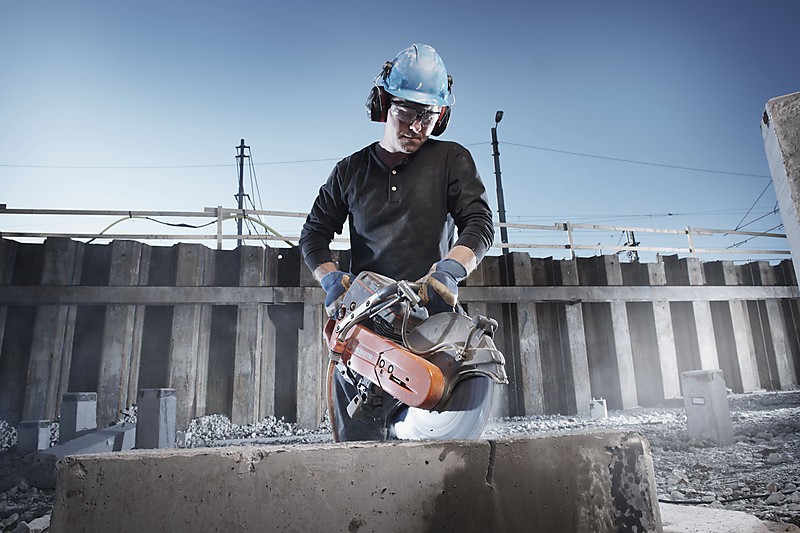
Core-cutting saws can be dangerous if not used properly. It is essential to follow safety guidelines and wear appropriate personal protective equipment (PPE), including safety glasses, gloves, and a dust mask.
6. Maintenance and Care of Core Cutting Saws
Proper maintenance is essential to ensure the longevity and performance of your core cutting saw. Regularly clean and lubricate the saw, and replace worn-out blades or components as needed.
7. Conclusion
Core cutting saws are indispensable tools for a wide range of construction and renovation projects. By understanding the different types of saws, their applications, and key features, you can select the right tool for your specific needs. Remember to prioritize safety and proper maintenance to ensure optimal performance and longevity.