
Building Demolition in Dubai is known for its iconic skyline, filled with towering skyscrapers and architectural marvels. However, as the city continues to evolve and modernize, older buildings are often demolished to make way for new, more innovative structures. Building demolition in Dubai is not just about tearing down walls; it’s a highly technical process that involves safety, environmental concerns, and efficient management of materials. With the city’s rapid urbanization, the demand for well-executed demolitions has surged, bringing with it sophisticated techniques and strict regulations to ensure minimal disruption. Companies involved in demolition need to handle challenges ranging from the proximity of neighboring buildings to environmental impact. From the traditional methods of wrecking balls to the high-tech use of controlled explosions, Dubai’s demolition industry blends precision, efficiency, and innovation. This article explores various aspects of Building Demolition in Dubai, shedding light on its methods, safety measures, environmental impact, and future trends.
1. The need for Building Demolition in Dubai
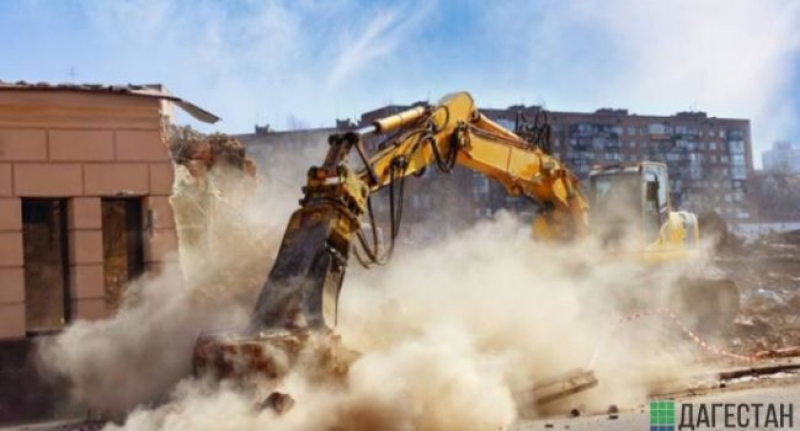
Building Demolition in Dubai urban landscape is constantly changing. As the city grows and aims to maintain its status as a global hub, older buildings need to be replaced with newer, more advanced structures. The rise in population and the desire for state-of-the-art infrastructure have made demolitions a common practice. Many old structures are no longer suited to modern needs, whether in terms of design, space, or sustainability. To make space for innovative projects like smart buildings and eco-friendly residential complexes, demolition becomes necessary. For example, aging hotels and commercial spaces might be taken down to accommodate multi-functional skyscrapers that offer more value in a limited area. Furthermore, Dubai’s commitment to remaining a leader in architecture and construction fuels the need for constant upgrades, thus driving the demand for demolition.
2. Types of Demolition Methods Used
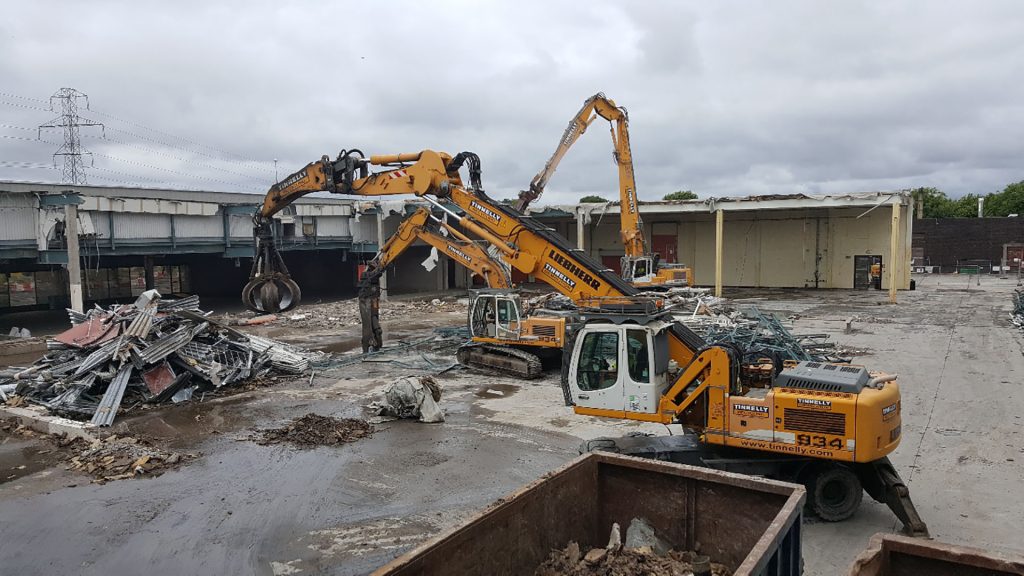
There are several methods employed in building demolition in Dubai, each chosen based on the project’s complexity, location, and environmental factors. The most traditional method is the use of wrecking balls, suitable for isolated, non-dense areas. However, for skyscrapers and structures located in urban centers, more precise techniques are needed. Implosion, a controlled explosion that causes the building to collapse inward, is frequently used for taller structures, minimizing damage to surrounding areas. High-reach arm Building Demolition in Dubai, where long mechanical arms equipped with crushers or shears are used to tear down buildings piece by piece, is another method used for taller buildings. Selective demolition, where only certain parts of a building are dismantled, is employed in renovation projects or when preserving some historical elements. Each method requires careful planning to ensure safety, reduce environmental impact, and meet the project’s goals.
3. Safety precautions and regulations
Safety is paramount in the demolition industry, especially in a city like Dubai where high-rise buildings and densely populated areas are common. Dubai’s authorities have strict regulations in place to ensure that all demolition activities adhere to international safety standards. Prior to any demolition, companies must secure permits and submit detailed plans outlining how the process will be executed safely. Workers involved are trained in handling heavy machinery and hazardous materials and ensuring that the demolition doesn’t affect neighboring buildings. Moreover, proper fencing and barriers are put in place to protect passersby from debris. Noise, dust, and vibration control measures are enforced to minimize disturbances in surrounding areas. Regular inspections and risk assessments are also conducted to ensure compliance with all safety regulations throughout the Building Demolition in Dubai process.
4. Environmental Impact and Waste Management
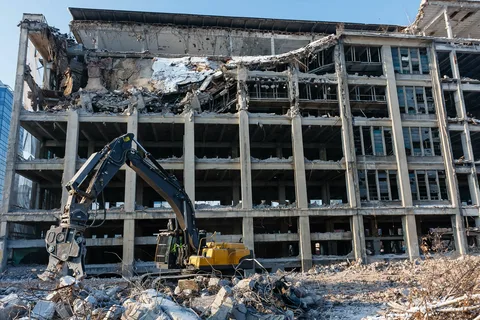
The environmental impact of demolition projects is a growing concern in Dubai, a city known for its commitment to sustainability. Demolition generates a large amount of debris, which, if not managed properly, can lead to significant environmental damage. Dubai is actively working on reducing the environmental footprint of demolitions by encouraging companies to adopt green demolition practices. These include recycling materials such as concrete, metal, and wood, which can be reused in future construction projects. Waste management companies also play a critical role in sorting, collecting, and disposing of materials in a way that minimizes landfill waste. Moreover, dust suppression systems, such as water sprays, are used to prevent air pollution. Dubai’s regulatory bodies mandate eco-friendly practices, pushing the industry towards more sustainable methods Building Demolition in Dubai.
5. Technological Innovations in Development
Building Demolition in Dubai industry has embraced technology to enhance the efficiency and precision of its operations. The use of drones is becoming increasingly popular for surveying buildings before demolition, helping engineers and planners understand the structural layout better and identify potential challenges. These aerial views allow for more detailed planning and safer execution. Advanced machinery, such as remote-controlled demolition robots, is also used in high-risk environments, where human workers would be exposed to danger. Furthermore, software solutions are being utilized for project management, safety monitoring, and environmental assessments, ensuring that every aspect of the demolition process is carefully controlled and optimized. In highly technical demolitions, such as those involving skyscrapers, controlled explosions and specialized high-reach equipment are calibrated using cutting-edge technology to ensure minimal disruption to surrounding areas Building Demolition in Dubai.
6. Challenges in Building Demolition in Dubai Urban Areas
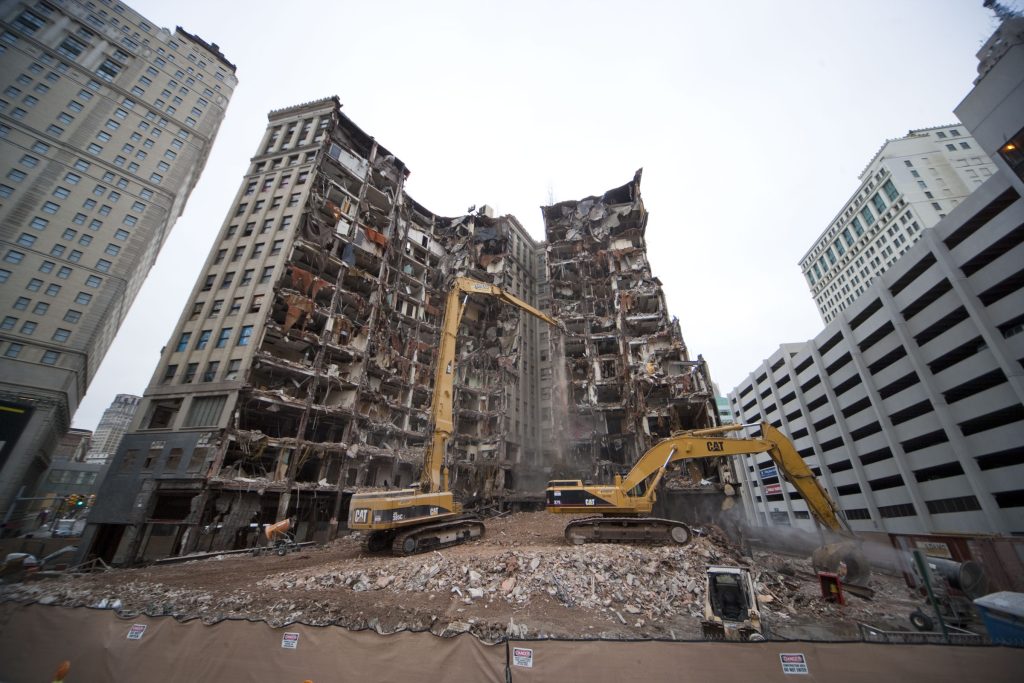
Development in densely populated urban areas like Dubai presents unique challenges. One of the biggest concerns is ensuring that surrounding buildings, infrastructure, and people are not affected by the demolition process. Vibration and noise control are critical, particularly in areas close to hospitals, schools, or residential zones. The logistics of moving large amounts of debris through busy city streets also require careful planning to avoid traffic disruption. Furthermore, in some cases, historical preservation efforts may limit the extent to which a building can be demolished, requiring specialized selective demolition methods. The proximity of other high-rise structures also demands precision techniques to avoid unintended damage, making the entire process more complex and expensive Building Demolition in Dubai.
7. Future Trends in the Demolition Industry
The future of Building Demolition in Dubai will likely see even more emphasis on sustainability, technology, and efficiency. As the city continues to grow, the need for smart and eco-friendly demolitions will rise. Advanced materials recycling, zero-waste projects, and further integration of artificial intelligence and automation in demolition processes are expected to dominate the industry. The shift towards green building practices will also influence demolition methods, pushing companies to develop innovative techniques that reduce the environmental impact of their activities. Additionally, modular construction and deconstruction might become more popular, allowing buildings to be dismantled and reassembled with minimal waste. With Dubai’s ambition to become a leader in sustainable development, the demolition sector is poised for continued growth and transformation.

Conclusion
Building demolition in Dubai is a complex and rapidly evolving industry, driven by the city’s constant development and modernization efforts. As Dubai continues to grow, the demand for demolishing outdated buildings to make way for innovative structures will only increase. With advanced techniques, a focus on sustainability, and stringent safety regulations, Dubai ensures that demolitions are conducted efficiently and responsibly. The integration of technology and eco-friendly practices points to a future where building demolitions become safer, faster, and more environmentally conscious. While challenges remain, particularly in urban areas, the industry’s evolution reflects Dubai’s commitment to maintaining its position as a global leader in urban development.