

Concrete chipping work is a critical process in maintaining the integrity of concrete structures. It involves the removal of unwanted concrete from a surface, such as walls, floors, or ceilings, typically using tools like jackhammers, chisels, or pneumatic equipment. This process is especially crucial for industries like construction and maintenance, where reinforced concrete structures are common. Chipping helps expose rebar for inspections, repairs, or modifications and ensures that new concrete can bond effectively with the old surface. Skilled labor and precision are required to avoid damaging the existing structure. Whether it’s for renovations, repairs, or structural upgrades, concrete chipping ensures that buildings and infrastructure remain safe and functional for years to come.
1. Understanding the Purpose of Concrete Chipping
Concrete chipping is primarily performed to maintain or improve the durability of concrete structures. It is used to remove deteriorating or damaged concrete, which could otherwise compromise the safety of a building or structure. In the case of industrial facilities, concrete chipping is often a regular maintenance practice to inspect and repair areas like silos, storage tanks, or structural beams. This process is crucial in exposing the reinforcing steel (rebar) within the concrete for inspection. Chipping away at problem areas allows workers to address corrosion, reapply protective coatings, and reinforce the structure. Without regular concrete chipping, structural elements can weaken over time, leading to safety risks and costly repairs.
2. Tools and Equipment Used in Concrete Chipping
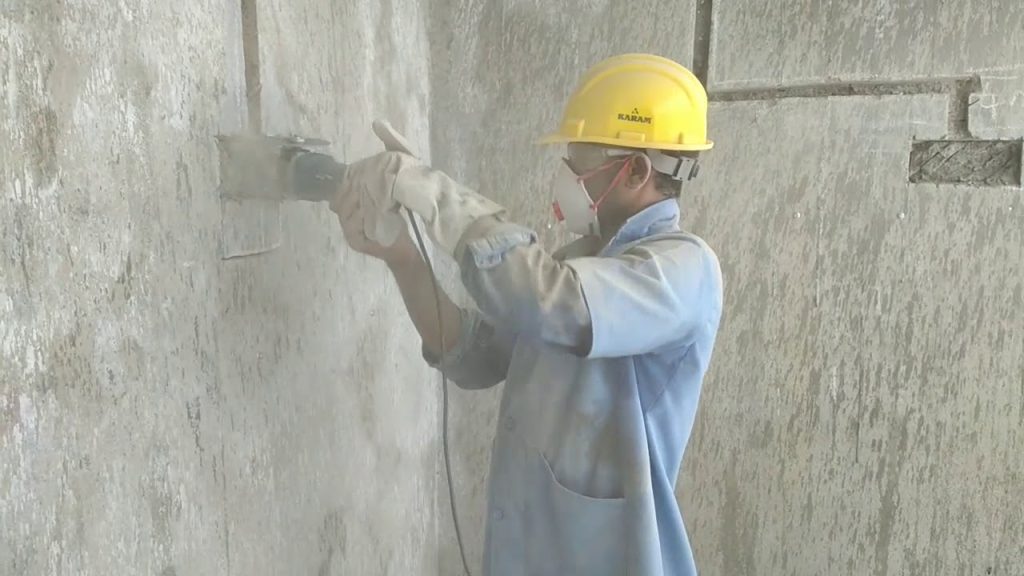
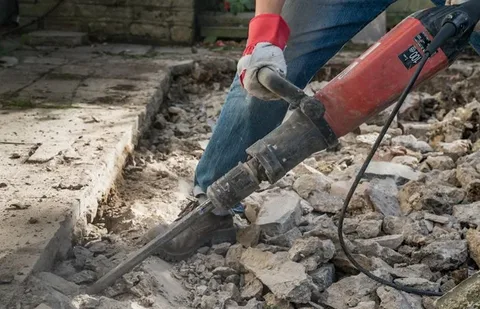
Concrete chipping requires specialized tools to achieve precision and efficiency. The most common tools used in this process include pneumatic jackhammers, electric chipping hammers, and chisels. Pneumatic jackhammers are preferred for heavy-duty jobs due to their power, while electric hammers are ideal for smaller, more controlled tasks. Chisels, both manual and pneumatic, are often used for detailed work where precision is required. Safety equipment, such as ear protection, gloves, helmets, and dust masks, is also essential to protect workers from the risks associated with concrete dust and flying debris. Choosing the right tool depends on the scale of the chipping task, the thickness of the concrete, and the surrounding work environment.
3. The Process of Concrete Chipping
The concrete chipping process starts with a thorough assessment of the surface to be worked on. Workers identify areas with cracks, spalling, or loose material that need removal. The next step is to select the right tools and set up safety barriers to protect the surroundings from dust and debris. Chipping is performed in controlled, deliberate strokes to ensure that only the required areas are removed without damaging the underlying structure. Workers must maintain an even surface while chipping, especially when preparing the area for the application of new concrete. The process is completed by cleaning the area thoroughly, ensuring that it’s free of loose chips, dust, and debris before any further treatment.
4. Safety Measures in Concrete Chipping
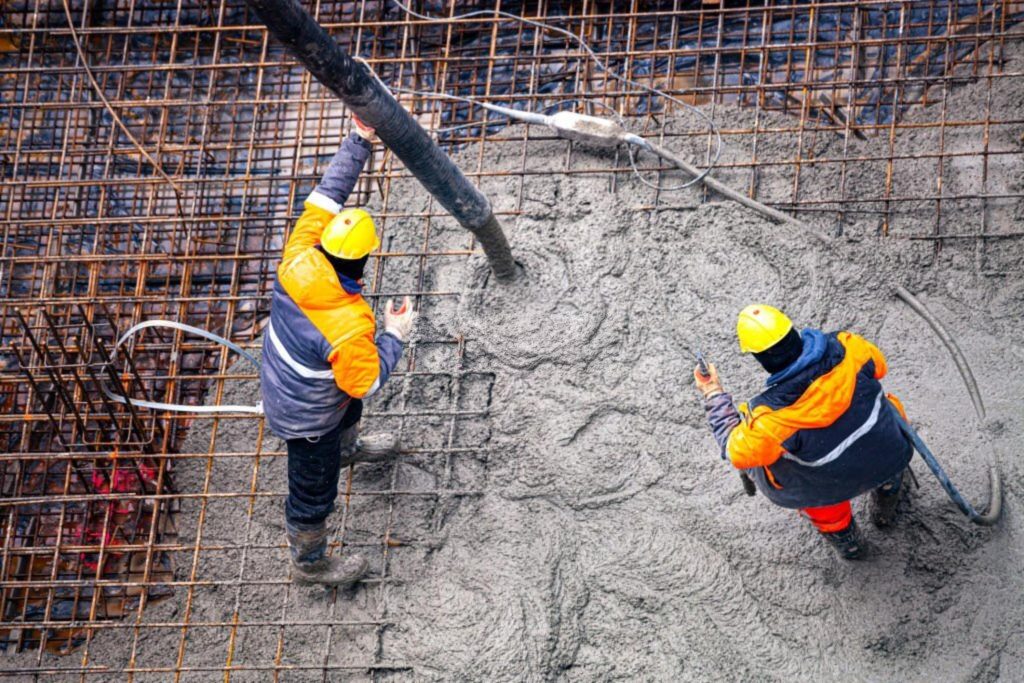
Safety is a top priority during concrete chipping work due to the inherent risks of the job. Workers are exposed to high levels of noise, vibrations, and airborne dust, which can cause serious health issues without proper protection. Therefore, it’s crucial to use personal protective equipment (PPE) like ear plugs, safety glasses, gloves, and respiratory masks. Additionally, the vibrations from tools like jackhammers can lead to hand-arm vibration syndrome (HAVS) if used improperly. To minimize risks, it is essential to follow safety protocols, such as using well-maintained equipment, taking regular breaks, and employing ergonomic techniques to reduce strain on the body. Implementing these measures helps maintain a safe work environment for chipping crews.
5. Common Applications of Concrete Chipping
Concrete chipping is widely used in various industries, including construction, industrial maintenance, and infrastructure development. One of the most common applications is in the repair of bridges, where chipping is used to remove damaged concrete before new material is applied. In industrial settings, concrete chipping is used to maintain silos and tanks, ensuring that concrete coatings remain in good condition and do not affect the storage of raw materials. It is also used in residential and commercial buildings during renovations, where sections of concrete need to be removed or replaced. From structural repairs to surface preparation, concrete chipping serves as a versatile solution for many construction needs.
6. Challenges in Concrete Chipping Work
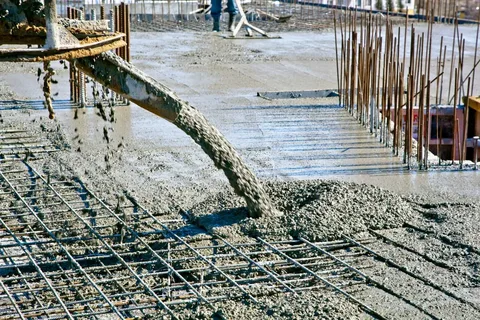
Despite its importance, concrete chipping work comes with several challenges. One of the main issues is the physical strain on workers, as the job requires intense manual labor and handling of heavy equipment. This can lead to fatigue and injuries if not managed properly. Additionally, chipping in confined spaces, such as inside tanks or under bridges, can be particularly challenging due to limited movement and poor ventilation. Dust control is another significant concern, as concrete dust can be harmful when inhaled. Proper planning, training, and using advanced dust suppression systems are key to overcoming these challenges and ensuring a successful chipping operation.
7. The Role of Skilled Labor in Concrete Chipping
Skilled labor is essential for effective concrete chipping. Unlike automated processes, chipping requires hands-on expertise to ensure precision and safety. Experienced workers understand how to control the depth of the chipping to avoid damaging the underlying structure. They also know how to manage different types of concrete surfaces, from smooth finishes to reinforced slabs with embedded rebar. Skilled laborers can also adapt to the dynamic nature of the job, such as unexpected changes in material quality or structural conditions. Investing in skilled labor not only ensures high-quality results but also reduces the risk of costly mistakes or accidents on the job site.
Conclusion
Concrete chipping work is an essential part of maintaining and repairing concrete structures, ensuring their longevity and safety. It requires the right combination of skilled labor, appropriate tools, and stringent safety measures to be carried out effectively. With applications ranging from industrial maintenance to structural repairs, concrete chipping plays a vital role in various construction projects. While it can be physically demanding and comes with certain challenges, the results of careful and professional chipping work are invaluable. Whether it’s for preparing a surface for new concrete or exposing rebar for inspection, concrete chipping ensures that structures remain strong, reliable, and safe for the future.