

Core machine bits are essential components used in various construction and industrial applications. These bits are designed to create precise, circular openings in concrete, masonry, and other hard materials. The choice of core bit depends on the specific project requirements, including the material to be cut, the desired hole size, and the cutting depth.
In this post, we will delve into the world of core cutting machine bits, exploring their types, applications, and key factors to consider when selecting the right bit for your needs.
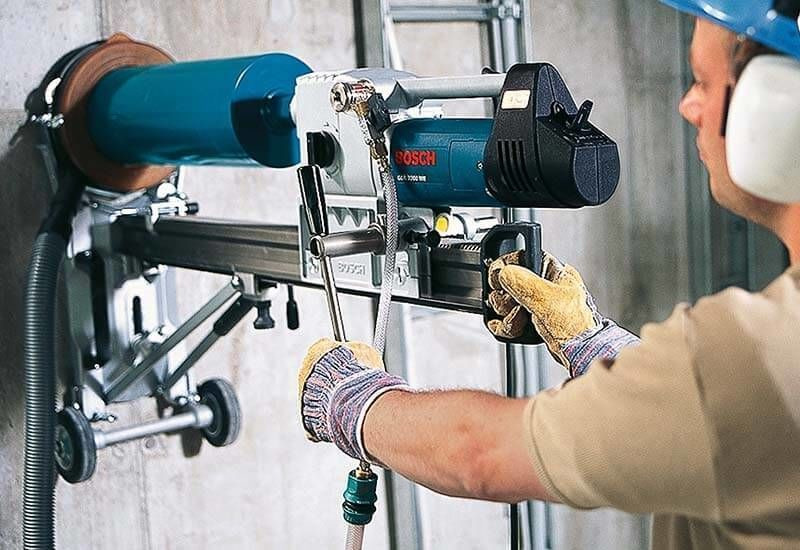
1. Types of Core Cutting Machine Bits:
There are several types of core cutting machine available, each with its own unique features and applications:
- Diamond-Tipped Bits: These bits are equipped with a diamond-coated cutting edge, making them ideal for cutting through hard materials such as concrete and masonry. They offer excellent durability and cutting performance.
- Carbide-Tipped Bits: Carbide-tipped bits are a more affordable option compared to diamond-tipped bits. They are suitable for cutting through softer materials, such as brick and stone.
- Bi-Metal Bits: These bits are made from a combination of high-speed steel and carbide, providing a balance of durability and cutting speed. They are often used for cutting through a variety of materials.
2. Applications of Core Cutting Bits:
Core cutting machine bits have a wide range of applications in various industries, including:
- Construction: Creating openings for pipes, electrical conduits, ventilation systems, and other utilities.
- Renovations: Modifying existing structures to accommodate new features or layouts.
- Industrial Applications: Cutting holes for machinery, equipment, or access panels.
- Research and Development: Obtaining samples of materials for testing and analysis.
- Demolition: preparing structures for demolition by creating access points.
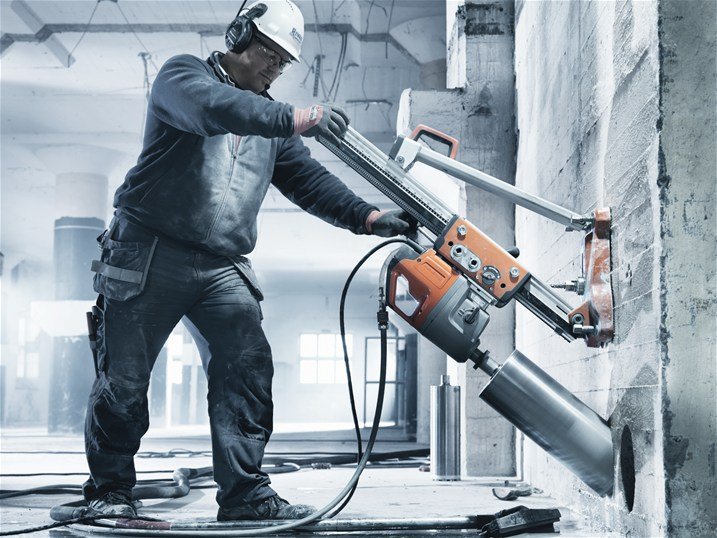
3. Key Features of Core Cutting Machine Bits
When selecting a core cutting bit, consider the following key features:
- Core Diameter: The size of the hole that the bit can create.
- Cutting Depth: The maximum depth at which the bit can cut.
- Material Compatibility: The bit should be compatible with the material you intend to cut.
- Durability: A high-quality bit should be durable and resistant to wear and tear.
- Cutting Speed: The bit’s cutting speed can affect the overall efficiency of the project.
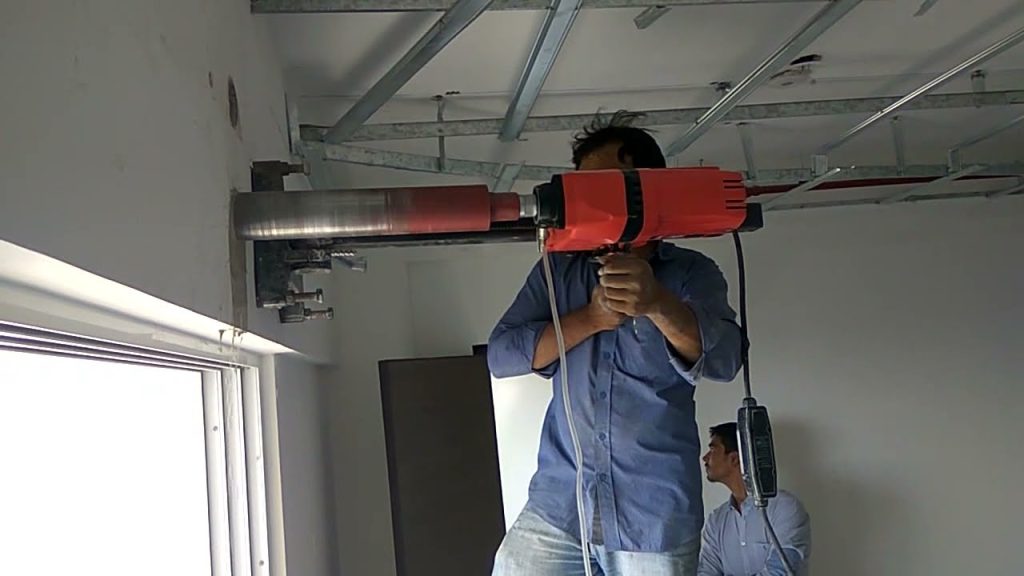
4. Choosing the Right Core Cutting Machine Bit:
The choice of core cutting machine bit depends on the specific needs of your project. Consider the following factors when making your selection:
- Material to be Cut: The type of material you will be cutting (e.g., concrete, masonry, or metal) will determine the appropriate bit type.
- Hole Size: The desired size of the hole will influence the core diameter of the bit.
- Cutting Depth: The required depth of the hole will determine the bit’s cutting capacity.
- Budget: Consider your budget when selecting a bit, as prices can vary depending on the type and quality.
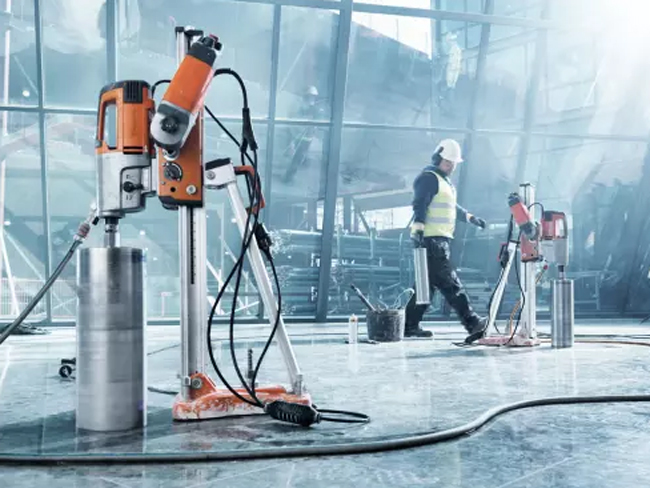
5. Safety Considerations When Using Core Cutting Machine Bits
Core cutting machine bits can be dangerous if not used properly. It is essential to follow safety guidelines and wear appropriate personal protective equipment (PPE), including safety glasses, gloves, and a dust mask.
6. Maintenance and Care of Core Cutting Machine Bits
Proper maintenance is essential to ensure the longevity and performance of your core cutting machine bits. Regularly inspect the bits for wear and tear and replace them as needed.
7. Conclusion
Core cutting machine bits are indispensable tools for a wide range of construction and renovation projects. By understanding the different types of bits, their applications, and key features, you can select the right bit for your specific needs. Remember to prioritize safety and proper maintenance to ensure optimal performance and longevity.